Emergency Dentist Bakersfield CA: Common Causes of Sudden Dental Pain
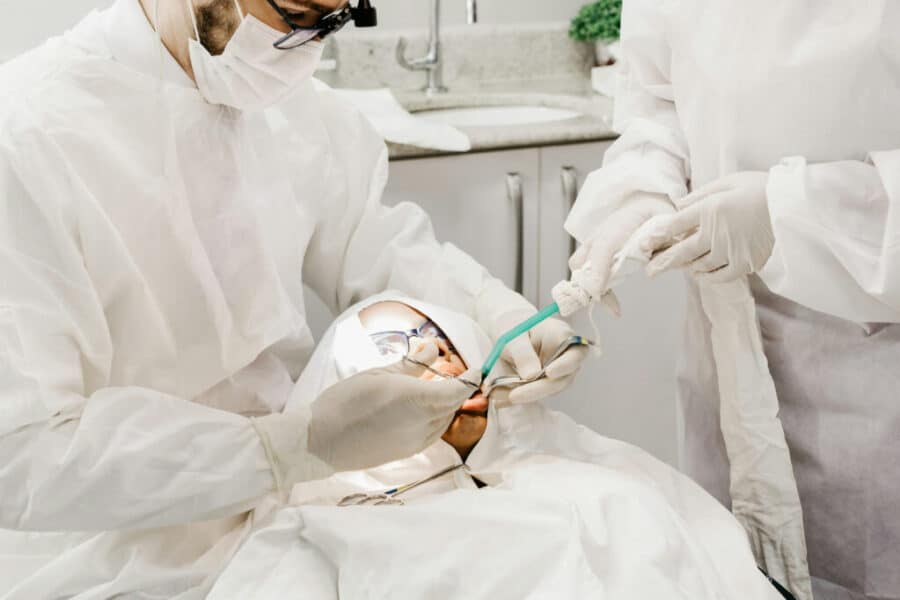
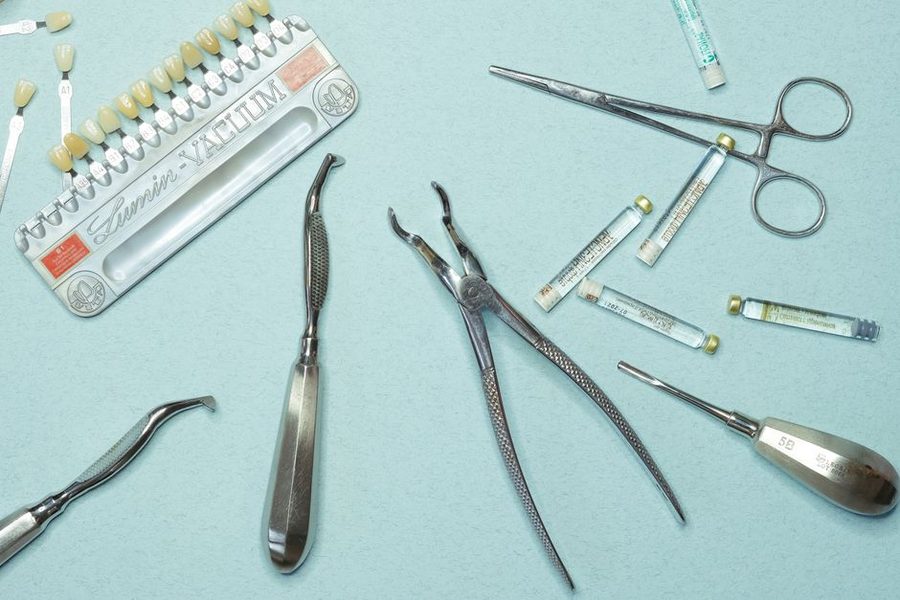

Sudden dental pain has a way of taking over everything. It can wake you at 2 a.m., ruin a meal, or turn an ordinary workday into a scramble for relief. In practice, people often describe it the same way: it seemed to come out of nowhere. Yet when you look closely, most dental emergencies build quietly before they become impossible to ignore.
If you are searching for an Emergency Dentist Bakersfield CA, chances are you do not need a lecture on brushing habits. You need to know what might be causing the pain, how urgent it is, and what to do next. Dental pain can come from a cracked tooth, an infection, a gum problem, a failing filling, an erupting wisdom tooth, or even an issue that is not dental at all. The challenge is that many of these problems feel similar in the first few hours. A throbbing ache, sharp pain when biting, swelling in the cheek, sensitivity to cold, pain near the jaw, they can overlap.
That is why judgment matters. Some situations can wait a day or two. Others should be seen the same day. And a small number belong in an emergency room because the concern is no longer just the tooth, it is your airway, your ability to swallow, or the spread of infection.
What “sudden” dental pain usually means
A tooth rarely changes from healthy to unbearable in one afternoon without some earlier warning. More often, there was a cavity that had gotten deeper, a cracked tooth that finally split enough to reach the nerve, or gum inflammation that had been building for weeks. People tend to notice the emergency only when the pain crosses a threshold.
That threshold can be triggered by something ordinary. Biting into crusty bread. Drinking iced water after a long day outdoors in Bakersfield heat. Clenching your teeth at night and waking up with pressure around one molar. Even a recent cold can inflame the sinuses enough to mimic an upper toothache.
The location and character of the pain offer clues. Sharp pain with chewing points in one direction. Throbbing pain that keeps you awake points in another. Sensitivity that lingers long after a cold drink is gone raises a different set of concerns. These clues are useful, but they are not definitive. Teeth are poor at telling you their exact story. Pain often radiates. An infected lower molar can make the whole side of the jaw hurt. An upper molar issue can feel like sinus pressure or ear pain.
Deep decay that reaches the nerve
One of the most common causes of sudden severe tooth pain is decay that has traveled into the inner part of the tooth, where the pulp lives. The pulp contains nerves and blood vessels. Once bacteria reach that space, the pain can change quickly from mild sensitivity to intense aching.
At first, a cavity may only cause an occasional twinge with sweets or cold drinks. Later, the pain starts to linger. That lingering response is a warning sign. Many patients say they can point to the moment things escalated. They had a sip of ice water and the pain stayed for 30 seconds, then a minute, then several minutes. Eventually the tooth hurts without any trigger at all.
A tooth in this stage may need root canal treatment if it can be saved. If the structure is too damaged, extraction may be the more realistic choice. The key point is that pain medicine can dull the symptoms, but it does not remove the infected tissue inside the tooth. Once swelling develops around the root, the urgency increases.
A cracked tooth that reveals itself when you bite
Cracked teeth are notorious for being hard to diagnose early. A person may feel a brief stab of pain only while chewing, then nothing at all between bites. The tooth may look perfectly normal in the mirror. There may be no obvious cavity. Yet a tiny crack can flex under pressure and irritate the pulp or surrounding ligament.
This happens often with back teeth, especially in patients who grind their teeth, chew ice, or have large old fillings that weaken the remaining tooth structure. Bakersfield dentists also see it in people who do not consider themselves grinders but clench during stressful periods. They wake up with jaw fatigue, then one day a molar starts zinging whenever they chew on that side.
Cracked tooth pain has a particular pattern. The tooth may hurt when you release pressure rather than when you first bite down. Cold sensitivity may come and go. If the crack is shallow, a crown may protect the tooth. If it extends into the nerve, root canal treatment may be needed before the crown. If the crack runs too deep into the root, the tooth may not be salvageable. Timing matters here. The longer a cracked tooth is left under heavy biting force, the worse the fracture can become.
Dental abscess and spreading infection
An abscess is one of the clearest reasons to call an emergency dental office right away. This is an infection, often at the tip of the root or in the surrounding gum tissues, and it can produce severe throbbing pain, facial swelling, tenderness to pressure, and sometimes a foul taste if drainage is present.
Not every abscess causes dramatic swelling at first. Some begin as deep, relentless pain with the feeling that the tooth is “high” or elevated when you bite. Later the gum may puff up, the cheek may swell, or the pain may shift after pressure is released through drainage. That last part fools some people into thinking the problem is improving. It is not. A draining infection still needs treatment.
There is also a wider health concern. Infections in the mouth can spread into surrounding spaces of the face and jaw. If swelling begins to interfere with swallowing, speech, or breathing, that is no longer a routine dental issue.
Here are the situations that call for urgent same-day contact with an Emergency Dentist Bakersfield CA, or emergency medical care if symptoms are severe:
- Facial swelling that is getting larger
- Fever along with dental pain or swelling
- Trouble swallowing, breathing, or opening the mouth normally
- A bad taste in the mouth with pus or drainage near a painful tooth
- Pain so severe that sleep, eating, or normal function is not possible
Antibiotics can be part of treatment in selected cases, but they are not a stand-alone fix for most dental abscesses. The source of infection usually has to be drained, treated with root canal therapy, or removed with extraction. Without that, symptoms tend to return.
Gum infections and localized periodontal pain
Not all dental emergencies begin inside a tooth. Sometimes the pain starts in the gums and supporting bone. A food particle wedged deep between teeth can cause intense soreness overnight. More advanced gum disease can create a periodontal abscess, where bacteria become trapped beside the root and trigger swelling and pain.
This type of pain often feels different from nerve pain inside a tooth. Patients may report tenderness when pressing on the gum, a swollen “bubble” near the tooth, or the sense that the tooth is loose or pushed out of position. Bleeding during brushing is common, though not always dramatic.
Gum-related emergencies can be particularly misleading in people who have not felt much pain from their gums before. They assume any dental pain must be a cavity. Sometimes it is not. A deep cleaning history, prior gum pockets, smoking, diabetes, and inconsistent home care all increase the odds that the urgent problem is periodontal rather than purely restorative.
Failed fillings, leaking crowns, and old dental work
A large percentage of urgent visits involve work that had served well for years, then stopped sealing or supporting the tooth. Fillings can fracture. Crowns can loosen. Cement can wash out. The tooth underneath may decay silently until a bite on one hard seed or nut pushes it over the edge.
A broken filling often causes sensitivity to cold and a rough edge that catches the tongue. A failing crown may create pressure pain when chewing or a bad odor if decay has formed underneath. Sometimes the crown comes off entirely, revealing a darkened or sensitive tooth stump.
These situations are not always dramatic in appearance, which is why they are easy to underestimate. A small missing piece in a heavily restored molar can leave thin tooth walls vulnerable to a larger break. Getting the tooth evaluated promptly often makes the difference between a simpler repair and a more expensive, more invasive treatment later.
Wisdom teeth and the pain that spreads backward
Partially erupted wisdom teeth are a common cause of sudden pain in younger adults, though older adults can have flare-ups as well. When a wisdom tooth only breaks through the gum partway, a flap of tissue may trap bacteria and food debris. The result is inflammation, swelling, and pain around the back of the jaw. Dentists call this pericoronitis.
People often describe it as pain “way in the back,” sometimes with bad taste, swollen gum, or difficulty opening fully. The discomfort may radiate toward the ear or throat. In more severe cases, the swelling becomes significant and the area is difficult to clean.
An isolated flare-up can sometimes be calmed with irrigation and local care, but recurrent episodes usually point toward extraction. Wisdom tooth pain is a good example of why symptom relief and long-term management are not always the same thing. The immediate goal is to settle the inflammation. The lasting goal is to stop it from coming back.
Trauma, sports injuries, and sudden fractures
A hit to the mouth, a fall, or even biting on an olive pit can cause immediate dental trauma. Front teeth may chip or move. Back teeth may fracture in a way that is not visible externally. Trauma cases range from cosmetic inconvenience to true emergencies.
If a permanent tooth is completely knocked out, time is critical. The best outcomes happen when the tooth is repositioned quickly, ideally within an hour. Hold it by the crown, not the root, gently rinse it if dirty, and if possible place it back in the socket or keep it in milk while heading straight to the dentist. That kind of situation deserves immediate attention.
Not every traumatic injury bleeds dramatically. Sometimes the main symptom is a tooth that suddenly feels different when you bite, or a color change appearing days later. Any tooth that has taken a strong blow deserves evaluation, because nerve damage does not always announce itself right away.
When the pain is not really from the tooth
This is the part patients usually dislike hearing, but it matters. Some intense “toothaches” are referred pain. Sinus inflammation can create pressure in the roots of upper back teeth. Jaw joint problems can mimic molar pain. Nighttime clenching can inflame the periodontal ligament around teeth and make one area feel bruised and tender. Rarely, nerve disorders can produce facial pain that seems dental at first.
A useful clue is whether several upper teeth hurt together during congestion, especially when bending forward. Another clue is whether the teeth feel sore without obvious sensitivity to hot, cold, or sweets. With clenching, people often report morning pain, flattened tooth edges, jaw tightness, or headaches at the temples.
This does not mean the pain should be ignored. It means diagnosis has to be careful. Good emergency dentistry is not just about acting fast, it is about treating the right cause.
Why heat, cold, and biting pain matter so much
Dentists ask repetitive questions for a reason. Does cold trigger the pain. Does it go away fast or linger. Does heat make it worse. Does biting hurt. Is the pain spontaneous. These patterns help narrow the diagnosis.
Cold sensitivity that disappears immediately can come from exposed root surfaces, minor decay, or a small crack. Cold that lingers suggests pulp inflammation that may be beyond a simple filling. Heat sensitivity, especially when severe, can be associated with a more advanced pulp problem or infection. Pain with biting often points toward a crack, a high restoration, an abscess around the root, or an inflamed ligament.
In the chair, these details guide testing and radiographs. At home, they help you describe the problem clearly when calling for an urgent visit. “My tooth hurts” is less helpful than “lower right molar, throbbing on its own, worse with heat, started last night, cheek a little swollen.” That level of detail often speeds triage.
What you can do before you are seen
The hours between the start of pain and the appointment matter. The goal is not to self-treat the problem away. It is to avoid making it worse and keep you as comfortable as possible until a dentist can examine you.
- Rinse gently with warm salt water if the area feels inflamed or irritated
- Use a cold compress on the outside of the face for swelling, 10 to 15 minutes at a time
- Avoid chewing on the painful side, especially hard or sticky foods
- Take over-the-counter pain medication only as directed on the label, unless your physician has told you otherwise
- Do not place aspirin directly on the gum or tooth, it can burn the tissue
If a crown has come off, keep it clean and bring it with you. If a tooth has fractured, save any large pieces. If you suspect a crack, avoid testing it repeatedly by chewing on it. People do this more often than they admit, and it rarely ends well.
What an emergency dental visit usually involves
Patients are often anxious that an emergency appointment means a long, complicated procedure while they are already hurting. In reality, the first visit is often focused on diagnosis and stabilization. The office will typically ask about the pain pattern, take the necessary radiographs, test the tooth or area, and determine whether the immediate need is to relieve pressure, prescribe medication, smooth a fracture, recement a crown, start root canal treatment, or remove the tooth.
Sometimes definitive treatment can be completed the same day. Sometimes the most appropriate step is temporary, especially if swelling must be controlled or if a specialist is involved. A good emergency dentist balances speed with judgment. Fast care is helpful, but rushed care that misses the diagnosis is not.
If you are calling an Emergency Dentist Bakersfield CA office, mention whether there is swelling, trauma, fever, a knocked-out tooth, or inability to sleep or eat. Those details affect scheduling urgency.
Bakersfield’s climate and everyday habits can add to the problem
Local conditions influence symptoms more than many people realize. In hot, dry weather, dehydration and mouth breathing can make the mouth feel irritated and can worsen the sense of soreness around already inflamed tissues. Cold drinks become more frequent, which can expose hidden sensitivity in cracked teeth or deep cavities. Sports, outdoor work, and long days without regular hydration or meals can also lead people to clench more than usual.
Diet matters too, though not always in obvious ways. It is not just candy. Frequent sipping of sweet coffee drinks, energy drinks, and sports beverages can feed decay over time. Then the “sudden” pain arrives months later, apparently out of nowhere. From a clinical standpoint, it almost never came from nowhere.
The line between urgent and dangerous
Most dental pain is urgent rather than life-threatening. It deserves prompt care because pain, infection, and structural damage tend to worsen with time. A smaller group of cases becomes medically dangerous when swelling spreads, fever rises, or breathing and swallowing are affected.
That distinction is important because some people delay too long out of fear, while others go straight to the emergency room for a cavity that would be better managed by a dentist. If the problem is severe swelling, trauma with uncontrolled bleeding, or trouble breathing or swallowing, emergency medical care is appropriate. If the issue is intense tooth pain, a broken tooth, lost crown, abscess, or wisdom tooth flare-up, a dental https://sethfjxt197.readspirex.com/posts/emergency-dentist-bakersfield-ca-common-procedures-and-what-to-expect office equipped for urgent care is usually the right first call.
Pain is a signal, not a diagnosis
One of the hardest things about dentistry is that the same symptom can come from very different causes. A cracked tooth and an abscess may both throb. Sinus pressure and an upper molar infection can feel surprisingly alike. A loose filling can mimic a cavity, and a gum abscess can be mistaken for a bad tooth.
That is why self-diagnosis has limits. The goal is not to guess perfectly at home. It is to recognize when the pain deserves prompt professional evaluation. When the pain is sudden, persistent, and affecting your sleep, eating, or concentration, it is time to stop hoping it will settle on its own.
For many patients, the most expensive part of emergency dentistry is not the visit itself, it is the delay. Small cracks become split teeth. Reversible inflammation becomes an abscess. A crown that could have been recemented becomes a root canal and core buildup, or an extraction. Acting early usually preserves more options.
If you are dealing with sudden dental pain, a timely visit with an Emergency Dentist Bakersfield CA can answer the two questions that matter most: what is causing the pain, and what needs to happen now to stop it from getting worse. That clarity alone brings relief, even before the numbness sets in.
Smyle Dental Bakersfield
2016 E St, Bakersfield, CA 93301, United States
+16614939040
FAQ About Emergency Dentist Bakersfield CA
What counts as a dental emergency?
Severe tooth pain, facial swelling, uncontrolled bleeding, a knocked-out or displaced tooth, and significant dental trauma may need prompt assessment. Trouble breathing or rapidly increasing swelling requires urgent medical help.
What should I do if a permanent tooth is knocked out?
Handle the tooth by the crown rather than the root, keep it moist, and contact a dentist immediately. Fast treatment can improve the chance of saving the tooth.
Can an emergency dentist treat severe tooth pain the same day?
Same-day care may be available depending on the cause and schedule. The dentist will examine the area, may take digital X-rays, and recommend treatment based on the diagnosis.
Should I go to the emergency room for dental swelling?
Seek urgent medical care for trouble breathing, difficulty swallowing, rapidly spreading facial swelling, or other severe symptoms. A dentist can assess the underlying dental cause and provide appropriate follow-up care.